

Bariatric Weight Loss Surgical Assessment & Therapy
Bariatric weight loss surgery reshapes the body. Therapy helps reshape the story — the one you tell yourself about who you are, what you deserve, and what becomes possible now.
– Bren M. Chasse, LMFT

The Decision to Undergo Bariatric Weight Loss Surgery
Bariatric surgery is not only a medical intervention but also constitutes a permanent and life-changing event in an individual’s life. It is a very personal decision for someone to make and it can be difficult to fully anticipate the range of emotions you may experience, coupled with such rapid changes in your body. While education from our trusted surgeons can help us understand the procedure itself, therapy can support you as you move through a mix of emotions, including excitement, fear, self-doubt, or even grief over the changes in one’s body, lifestyle, and relationships.
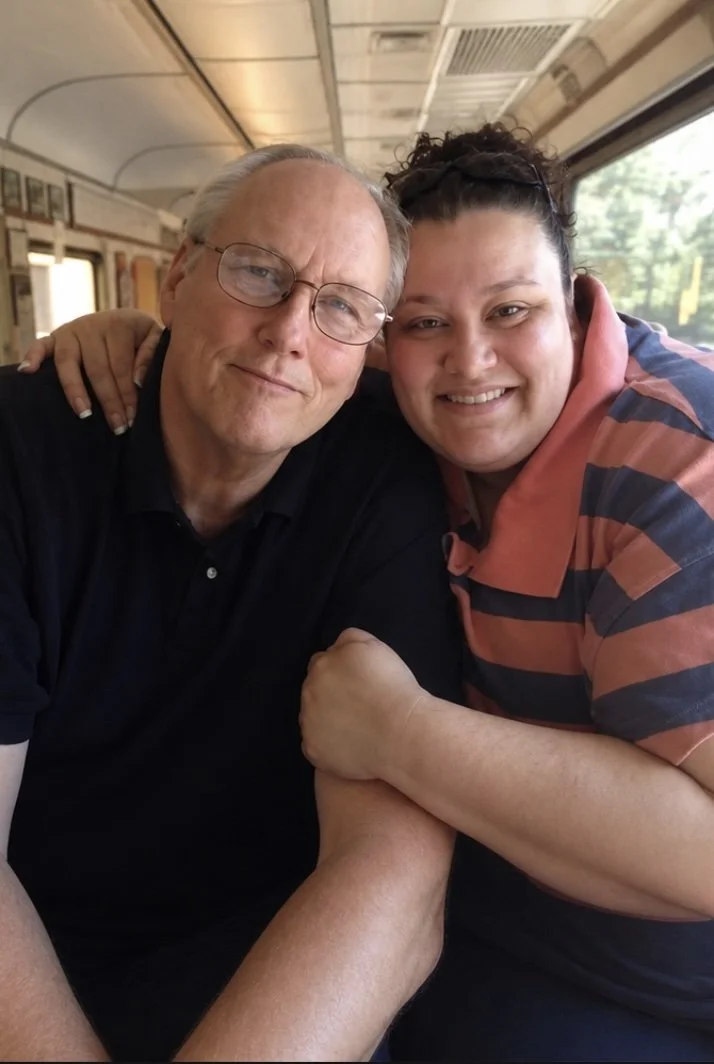
Not a Shortcut. Not a bypass.
A New Beginning.
There is a persistent and damaging misconception that people who choose bariatric weight loss surgery are taking a shortcut or avoiding the harder work of personal accountability. However, the path to surgical approval is demanding by design: most patients endure extensive medical and psychological evaluations, supervised weight management programs, nutritional counseling, and months of insurance bureaucracy and red tape before surgical eligibility is even an option. The decision to pursue bariatric surgery is deliberate, hard-won, and humbling. Bariatric surgery does not bypass the emotional, behavioral, and relational work that sustainable change requires — it creates the conditions under which that work becomes possible.
Therapeutic work doesn’t begin or end with surgical clearance. It continues in the months and years following surgery, when old coping strategies are no longer available and new ones have to be built from the ground up: processing shifts in body image, watching for the transfer of old coping patterns into new ones, tending to relationships that shift when a partner or family member's weight significantly changes, and, sometimes, grieving the loss of a familiar (even if a painful) way of moving through the world. In this way, bariatric surgery is not as an endpoint but an opportunity — a new beginning, in the truest sense.

The Truth About Weight Gain After Bariatric Surgery
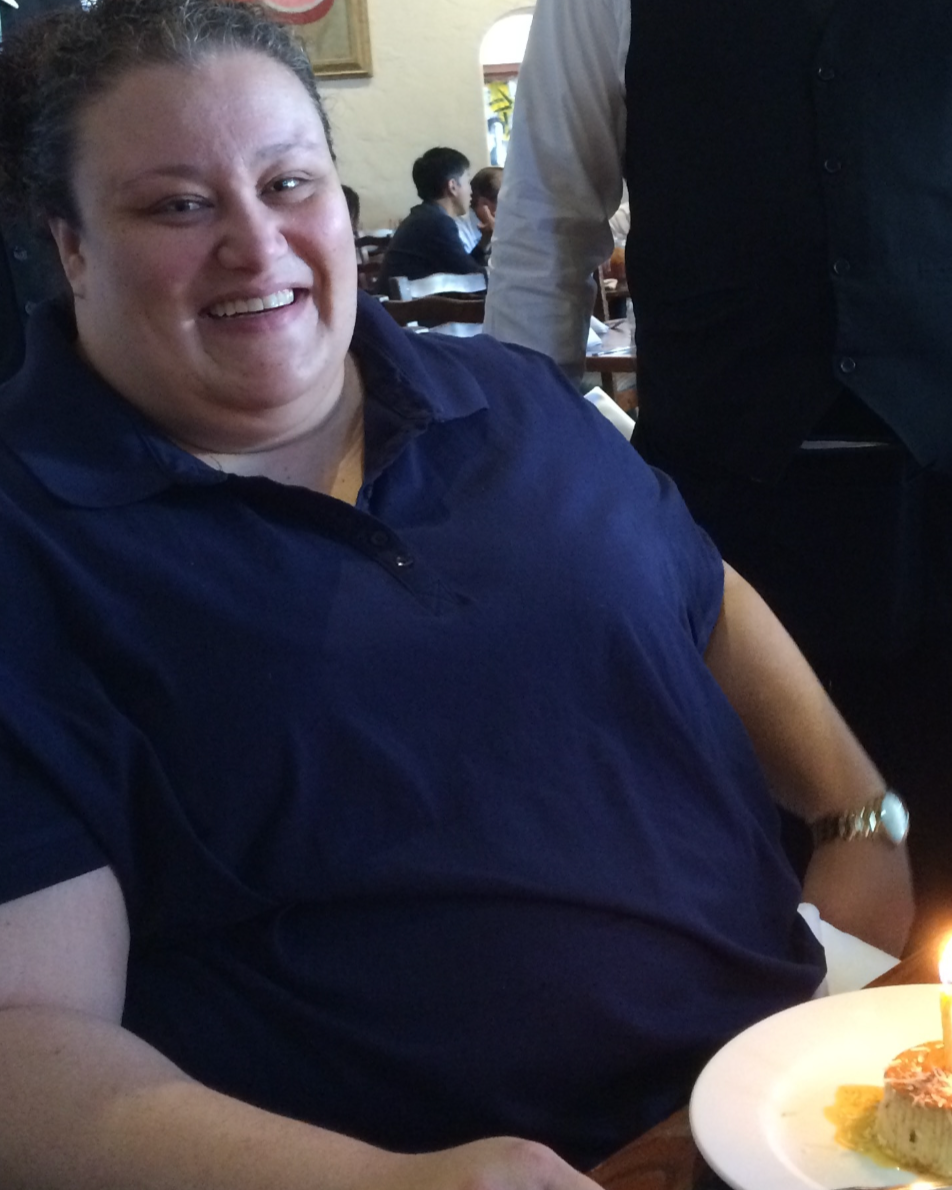
While my journey may be a testament to the life-changing impact of weight loss surgery for me, it is equally important to acknowledge the path I traveled to reclaim my life was not easy, nor linear. After my initial procedure, I struggled to adapt and maintain my weight loss. I had focused on the behavioral factors that led to my struggle with weight — but I undervalued the connection between trauma and emotional eating, and how powerfully my own trauma was shaping my life. In 2020, the COVID-19 pandemic hit, and I returned to old destructive patterns. I became more and more disconnected from my body, and the weight regain after bariatric surgery that followed — nearly 100 pounds — left me feeling like a failure. I experienced shame and a sense of hopelessness regarding my body. In 2022, I underwent a bariatric revision surgery and, perhaps for the first time, understood on a core level that I needed to change my relationship with food — and to do that, I had to dramatically change my relationship with my body. Weight was a symptom; to heal, we must go back to the roots.
How Trauma Impacts Our Relationship with Food
For many people living with Binge Eating Disorder, the relationship with food is shaped not by habit but by history. Trauma — emotional, physical, relational, or psychological — frequently creates a fracture between the mind and body that profoundly influences how we eat, how we feel in our bodies, and how we move through the world. I take a holistic and expansive view of what trauma means, one that includes systemic harm: chronic discrimination, poverty, the oppression of women and other marginalized groups, and the experience of being made to feel unworthy of love and connection simply because of who you are.
Trauma-informed therapy creates space to explore the unmet needs and emotional wounds that have shaped your relationship with food and your body — to grieve them, process them, and begin to heal them. This work is grounded in empowerment and self-compassion. The goal is not control or compliance. It is a restored sense of your own worth and a reclaimed relationship with the body you live in.
There is no question that the body keeps the score — but it also stores our hope and ever increasing resilience. Somewhere beneath the shame and the pain, there is a version of you that remembers what it feels like to be embodied.
Within this space—this is where our work together begins. Weight is merely a symptom of a far greater challenge. Know that the story you have told yourself about your body and your worth is not the final word. Together we will create a new narrative that aligns with who you really are.
—Bren M. Chasse, LMFT

Bariatric Pre-Surgical & Insurance Assessments
As a therapist specializing in bariatric weight loss surgery, I offer comprehensive pre-surgery psychosocial assessments to help individuals prepare mentally and emotionally for the significant changes that come with weight loss surgery. These assessments, often required by bariatric surgeons and insurance companies for medical clearance, and are an essential part of the process. They evaluate not only an individual’s readiness for surgery but afford clients the opportunity to explore any potential barriers to achieving your personal goals. Following the assessment, all clients will receive a comprehensive report they can then submit to their surgeon or insurance company should they choose. Reports are completed within 10 business days or less.

Comprehensive Therapy Services for Bariatric Weight Loss Surgery
The single greatest predictor of long-term success for those who undergo weight loss surgery is whether an individual has a strong social support system. Therapy is one of the best ways to put that support in place. Weight loss surgery changes the body — but it doesn’t necessarily resolve the emotional patterns, relational wounds, or complicated history with food that preceded it. Bariatric surgery changes your body quickly. The rest — your identity, your relationships, the stories you've carried about your own worth — may take a bit longer to appear, but deserve just as much care. This work requires its own space, its own pace, and a therapist who understands the depth and complexity of your experience. Together, we will do the deeper work — rebuilding your relationship with your body, reclaiming your sense of self, and authoring a new narrative about who you are becoming.