Cultivating Mindfulness in Family Life: Simple Daily Practices to Calm and Connect

Reconnecting Through Mindfulness: A Family Practice
In today’s fast-paced, always-on world, it’s easy for families to feel disconnected, overwhelmed, or simply out of sync. Mindfulness offers a gentle, grounding way to slow down and reconnect—with ourselves, with one another, and with the present moment. When practiced consistently, mindfulness supports emotional regulation, reduces stress, and enhances communication. Even young children can learn the foundations of mindful awareness—and they learn best when we lead by example.
Leading by Example
Children learn far more from what we do than from what we say. When parents and caregivers embody mindfulness—pausing before responding, taking a deep breath in moments of stress, or eating slowly and with presence—children naturally absorb these habits.
Research shows that taking as little as ninety seconds to pause can significantly reduce distress, increase positive emotions, and lessen emotional reactivity. Try weaving mindful pauses into your daily routine:
Take three deep breaths before responding to distress.
Pause and feel your feet on the ground before starting the day.
Notice your surroundings together during a family meal or walk.
When your children witness you bringing calm awareness into everyday life, they learn that presence and patience are powerful tools—for both big emotions and small moments alike. As you model emotional regulation, children internalize a sense of safety and confidence, learning that emotions—joy, anger, sadness, excitement—can come and go without taking over. These small moments of shared mindfulness ripple outward, shaping how your family communicates, handles stress, and connects with one another. Mindfulness becomes less of an activity and more of a family rhythm—a quiet strength woven into your daily life. Each deep breath, gentle pause, and moment of awareness becomes a gift you share, teaching your children not just how to cope, but how to be fully present in their own lives.

Breathing Together
Breath is a gentle but powerful ally in cultivating emotional balance and resilience. Teaching children how to find their breath serves as a calming anchor, empowering them to navigate big emotions with confidence and self-awareness. When practiced together, mindful breathing also nurtures co-regulation—a shared sense of calm that strengthens healthy coping skills and deepens the bond between you and your child.
A simple and effective technique to try is the 4-7-8 breath:
Inhale gently through the nose for 4 seconds
Hold the breath for 7 seconds
Exhale slowly and completely for 8 seconds
Practice this exercise together during peaceful moments so it feels natural and safe. Then, when your child experiences distress, frustration, or overstimulation, remind them that their breath is always there—a steady, quiet friend they can return to anytime. Over time, they’ll learn that calm and balance are never out of reach; they live within every mindful breath.

Mindful Mealtimes
Family meals are powerful opportunities for connection and presence. Turning an ordinary meal into an opportunity to engage with each other helps everyone slow down, reflect, and truly enjoy each other. Try incorporating these simple practices:
Turn off screens and set aside all distractions. Create a calm, tech-free space where everyone feels seen and heard.
Notice the colors, textures, and flavors of the food. Encourage curiosity and appreciation for the meal in front of you. Share any history about the dish—whether it be a family recipe or a new favorite meal, food fosters connection.
Get curious about each other—especially your children. Inviting them to share the highs and lows of their day communicates to them that the most important things in their lives are also important to you.
Over time, these mindful moments at the table become anchors of warmth and belonging in your family’s daily rhythm. Each shared meal becomes more than nourishment—a space where laughter is shared, stories unfold, and memories are made.

Mindful Play and Creativity
Mindfulness isn't limited to stillness—it thrives in movement, creativity, and play. Choose activities that naturally invite full sensory attention and presence:
Building with blocks or LEGO
Drawing, painting, or coloring
Playing with Play-Doh, clay, or sensory bins
Puzzles or sorting activities
Cooking or baking together
Invite your child to notice the textures, shapes, colors, and sensations as they play. Ask gentle questions: "What does that feel like?" "What happens when you mix these colors?" Join them in their exploration without directing or correcting. These mindful moments of focused attention cultivate presence, patience, and calm while strengthening your connection.
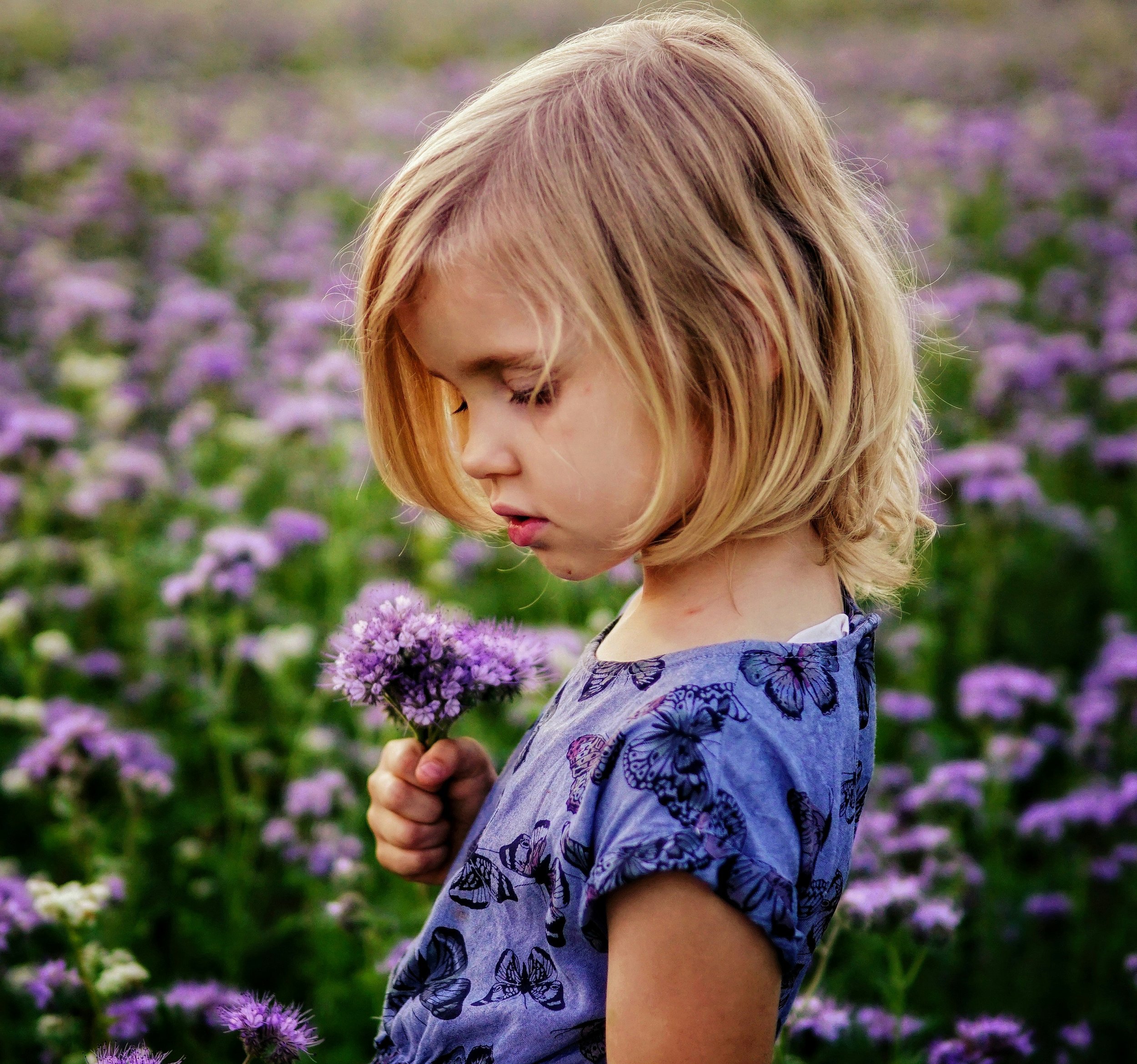
Nature Walks with Awareness
Time in nature naturally encourages mindfulness and present-moment awareness. As a family, take walks without a specific destination or agenda. Instead of rushing to complete a route, invite curiosity and sensory engagement:
"What are you noticing right now?"
"What sounds do you hear?"
"Can you feel the wind on your skin?"
"What colors or textures do you notice on the leaves?"
These simple observations anchor children (and adults) in the present moment, fostering creativity, gratitude, and a sense of connection that naturally counters the fragmented attention patterns encouraged by screen use.

Bedtime Breathing Ritual
Bedtime offers an ideal opportunity to wind down with mindfulness practices that signal safety and transition. Create a soothing routine that includes:
Dimming lights and breathing slowly together
Lying quietly and placing hands on the belly to notice the breath
Using guided imagery, such as imagining floating on a cloud or watching ocean waves gently roll in and out
These rituals help children transition from the activation of the day to the rest state needed for quality sleep, while also reinforcing a felt sense of safety and calm in their bodies.
A Compassionate Note to Parents
Mindfulness isn't about perfection or doing everything "right." It's about bringing intentionality to everyday moments—imperfectly, but consistently. Some days will feel chaotic, and that's completely normal. Every mindful breath, every moment of presence, every time you pause before reacting—these are gifts to your family.
By weaving small, sustainable practices into your daily routines, you create a foundation of calm, connection, and emotional resilience that supports every member of the family. Remember: you're modeling these skills, not performing them flawlessly. Your willingness to practice alongside your children is what matters most.