Body-Shaming Is Not Medicine: How Weight Stigma Fuels Binge Eating
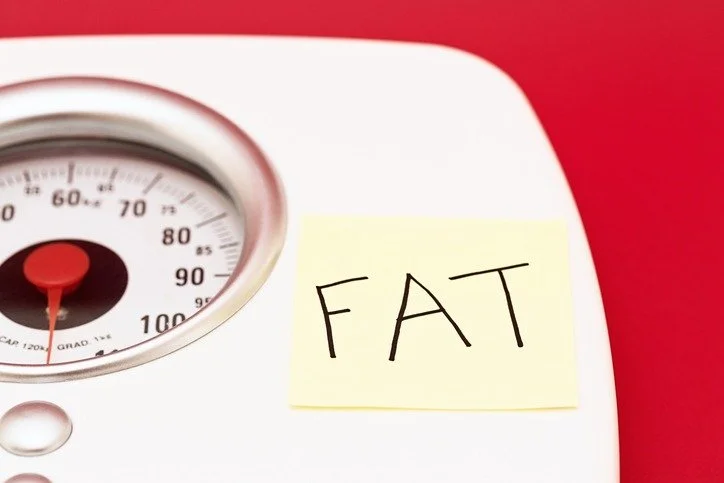
Obesity remains one of the most heavily stigmatized conditions in our society. Unlike many other health conditions where compassion and understanding are culturally expected, weight-based discrimination is not only socially acceptable but often openly expressed through ridicule and judgment. Research shows this pervasive messaging fuels negative beliefs about our bodies, reinforcing harmful narratives that shape how we measure our own self-worth (Culbert et al., 2015; Martin, 2010).
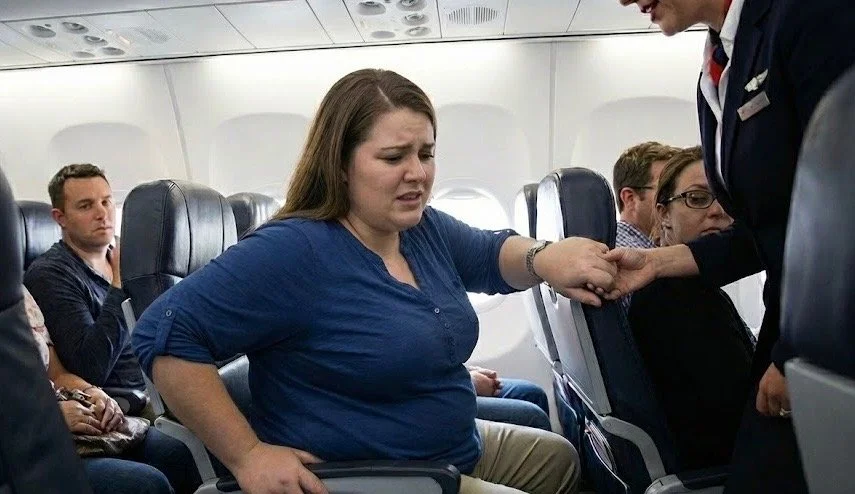
We are surrounded daily by messages insisting that our weight defines our worth—that we are never quite "thin enough" or "good enough." Social structures reinforce this belief at every turn: restaurant booths in shopping malls are deliberately sized to exclude larger bodies, airline seats fail to accommodate many passengers, and even casual public interactions become opportunities for pointing, staring, or making derogatory comments. Medical professionals often demonstrate implicit bias by making assumptions about patients based on their weight, sometimes dismissing legitimate health concerns or providing inadequate assessment while attributing all symptoms to a patient’s body size. This bias extends into our most intimate relationships—friends and family members may inadvertently contribute to the stigma through comments cloaked as concern, carrying implicit messages of judgment when they say, “are you sure you really want that?” or, “are you really still hungry enough for a second helping.”

Publicly Sanctioned Abuse
On September 6, 2019, comedian and political commentator Bill Maher delivered an anti-fat monologue on his program Real Time, featured on HBO. Maher argued that "fat-shaming needs to make a comeback," asserting that shaming others is the "first step toward real reform." His commentary framed America's obesity crisis through a lens that equates overeating with racism, objectifies women, and dismisses the devastating reality of eating disorders as somehow less serious or deserving of attention than other public health concerns. Maher minimized the significance of individual responsibility for climate change by suggesting that statistics on climate impact pale in comparison to obesity-related deaths, then proceeded to imply that individuals of size hold a disproportionate share of responsibility for climate change. By positioning fat-shaming as a legitimate public health intervention, Maher directly contributes to the stigma and discrimination that fuels the development and maintenance of disordered eating.
Unlike other social issues where nuanced debate seems acceptable, discussion of an individual's food choices, body size, and weight appears to exist outside the boundaries of civil discourse. Regardless of one's comfort level in their own body, these experiences shape us profoundly—they often serve to increase the collateral damage caused by trauma. The reality is that some trauma leaves visible scars we carry externally, while other trauma manifests internally, shaping where we seek safety and how we navigate a world that hasn't always felt safe. Obesity can become one way of creating a protective barrier between us and a world that has proven threatening to our very survival.
In his anti-fat rhetoric, Maher asserts that "No one comes out of the womb needing to buy two airplane seats." Research, however, tells a different story than Maher’s simplistic rhetoric—one that reveals the strong correlation between obesity and trauma. While Maher may have discovered alternative coping mechanisms for devastating life events, many of us carry our scars on our bodies—scars that don't make us any less human. All relationships are complex, and our relationship with food is no exception.
The Myth That Shame Motivates Change
One of the most persistent and harmful myths I encounter in my work with binge eating disorder is the belief that fat-shaming—whether from family members, healthcare providers, or society at large—will somehow motivate people toward healthier behaviors. The research is unequivocal: shame does not inspire sustainable change; it inspires hiding, self-hatred, and often the very behaviors people claim to be concerned about. When someone experiences weight stigma or fat-shaming, their stress hormones spike, their sense of safety plummets, and their brain enters threat mode—a neurobiological state fundamentally incompatible with the executive functioning, self-compassion, and secure attachment needed for genuine behavior change. What shame does effectively produce is increased cortisol, heightened emotional dysregulation, social withdrawal, internalized weight bias, and compensatory behaviors like binge eating, restrictive dieting, or abandoning healthcare altogether. My clients consistently describe how shaming comments—even those framed as "concern for your health"—directly trigger binge episodes, as food becomes the most reliable source of soothing in the face of unbearable emotional pain.

When Shame Becomes Survival
The misconception that shame motivates change reveals a fundamental misunderstanding of human behavior and the nature of disordered eating. Binge eating disorder is not caused by lack of willpower, laziness, or insufficient disgust with one's body—it's a complex condition often deeply rooted in trauma, emotional dysregulation, and internalized shame. Adding more shame doesn't address any of these root causes; it deepens them.
The most powerful intervention lies within compassionate curiosity about eating patterns, unconditional positive regard regardless of body size, trauma-informed care that addresses underlying pain, and helping clients rebuild a sense of safety and worth that isn't contingent on weight—all of which are the antithesis of shame. When people feel seen, valued, and supported rather than judged and monitored, genuine healing becomes possible. With all due respect to Mr. Maher, if fat-shaming were effective, we wouldn't have an obesity epidemic—we'd have a nation of people with healthy relationships with food and their bodies. The argument that fat-shaming is an effective intervention is merely an excuse for bad behavior by pretending that cruelty is an agent for change.
Body-shaming is not a call to action—it is an act of cruelty. Research consistently demonstrates that weight stigma itself creates significant risk factors for eating disorders, including depression, low self-esteem, and body dissatisfaction (Andreyeva et al., 2008). Thus, individuals who experience weight-based stigma are more likely to experience weight gain, binge eating, and extreme weight control measures (Golden et al., 2016).
Shame drives us to retreat into the darkness, hide our authentic selves, and encourages us to live in the shadows. Until we acknowledge the complex relationship many people have with their own body and begin to hold ourselves accountable for the harm caused by stigmatizing rhetoric and behavior, we will continue to perpetuate a culture where size-based shaming is not only socially accepted, but celebrated by influential people with a platform.
References
Andreyeva, T., Puhl, R. M. & Brownell, K. D. (2008). Changes in perceived weight discrimination among Americans, 1995–1996 through 2004–2006. Obesity, 16(5): 1129–1134. doi:10.1038/oby.2008.35
Culbert, K. M., Racine, S. E., & Klump, K. L. (2015). Research review: What we have learned about the causes of eating disorders - a synthesis of sociocultural, psychological, and biological research. Journal of Child Psychology Psychiatry, 56(11), 1141-1164.
Golden, N. H., Schneider, M., & Wood, C. (2016). Preventing obesity and eating disorders in adolescents. Pediatrics, 138(3), [e20161649]. doi:10.1542/peds.2016-1649
Martin, J. B. (2010). The development of ideal body image perceptions in the United States. Nutrition Today, 45(3), 98-100. Retrieved from nursingcenter.com/pdf.asp?AID=1023485
Real Time with Bill Maher. (2019, September 6). New rule: The fudge report. [Video]. YouTube. https://www.youtube.com/watch?v=Dm4TAdiEFn0&feature=youtu.be