Skin Removal Surgery After Weight Loss: The Emotional Recovery No One Prepares You For

Among bariatric patients and the people who love them, excess skin removal surgery is treated as a victory lap — the final stop on a journey measured in pounds, patience, and personal willpower. The belief is that removing the excess skin finally lets clients see the body they worked so hard for, bringing their outward appearance into alignment with how they experience themselves.
As a psychotherapist specializing in binge eating disorder and bariatric weight-loss recovery — and as someone who has personally navigated this terrain — I can tell you that skin removal surgery is not primarily a physical process. It is also a psychological one, far more nuanced than most people recognize, including the professionals guiding clients through it.
Before addressing the unique challenges that come with excess skin removal surgery, it’s important to develop a framework that honors both the journey clients have traveled and the difficult road that now lies ahead. Obtaining surgical clearance does not mark the final step of a long journey — it marks the beginning of a new chapter, one that typically brings its own psychological demands that are rarely addressed in any pre-operative consultation. This new framework rests on a simple premise: surgical and psychological care are not sequential phases but parallel, interdependent tracks—running together from pre-op through the full arc of recovery, with success measured not just by surgical outcome, but by whether clients can integrate the identity shift that radical physical change demands. The existing gap in care isn’t the result of poor medical practice, negligence, or poor client care — rather, it reflects a real divide between a surgeon’s medical training and the psychological support clients need to navigate rapid, aggressive physical change with little time to adjust. Specifically, this gap leaves clients particularly vulnerable to the stress of undergoing surgery, its physical recovery, and the subsequent rapid changes in their body — all while navigating the additional strain of becoming more connected to their new body. The care team assembled before surgical clearance should, therefore, include both a trusted board-certified surgeon and a licensed psychotherapist with expertise in post-bariatric care.

Why Shame Often Survives Surgery
Many people who have spent years overweight hold a quiet belief that if they could just lose the weight, the rest of their lives would fall into place. Surgery delivers the weight loss, often after years of effort that deserve to be honored. What surgery cannot deliver is the promise beneath that belief — a promise clients make to themselves, and one the people around them tend to echo. For many, excess skin becomes the visible evidence that something remains unfinished.
For clients, excess skin is rarely experienced as a cosmetic concern. It functions as a physical record of everything that came before—the comments at family gatherings, the averted glances, the calculations before every social invitation, the doctor who addressed the weight before the presenting symptom. It is often a further record of the things never said aloud – years spent trying to suppress the events in our lives that feel unbearable.
Shame is not simply remembered; it is stored. When the body changes but the skin remains, the person is confronted daily with a reminder of the very self they hoped to leave behind. Standing in front of the mirror, they may find that the number on the scale has moved but the feeling has not.
For many, the shame attached to excess skin rivals the shame of obesity itself, and this catches clients and families off guard. We are conditioned to believe that the weight loss is the hardest part of the journey and that skin removal is the reward—a finishing touch on work already completed. Few people are prepared for a new set of challenges.
This is where the psychological work and the surgical process diverge. Trauma held in the body does not resolve on the same timeline as weight loss. Clients often describe a disorienting gap between what others see — a transformation worthy of congratulation — and what they feel, which often includes grief, disappointment, or a renewed sense of defectiveness. Some report that the praise of weight-loss itself can be painful, an implicit confirmation that their previous body was, in fact, unacceptable. Others describe continuing to move through the world as they did at their former size: testing a chair before sitting down, turning sideways through doorways they could now walk through, declining invitations, anticipating judgment that no longer comes. Excess skin thus becomes a new home where shame lives.

Effective treatment, both before and after excess skin removal, attends to the meaning clients have assigned to their body, the shame they internalized long before surgery was ever considered, and the expectation—almost always unspoken — that a smaller body would finally make them worthy of the love and the life they want.
From both a medical and mental health perspective, excess skin should never be treated solely as a cosmetic concern. Over the years I have sat with many clients who report that the hatred they feel for their post weight loss body is equal to, if not greater than, the disgust and shame they felt about their body when they were obese. When a client tells me they "hate" their body, that they feel "disgusting" as they harshly pull at loose folds of skin, or that they feel trapped inside a body that no longer reflects who they are, this is not the voice of vanity – it's a rupture in identity, a protective dissociation from their body, and grief over weight loss that promised an improved life, but failed to deliver. Surgical intervention has the power to change the trajectory of a person's life forever. But it cannot, on its own, resolve the shame that clients have carried for years — sometimes decades. That work requires its own clinical attention.
The Surgical Journey Requires Psychological Endurance
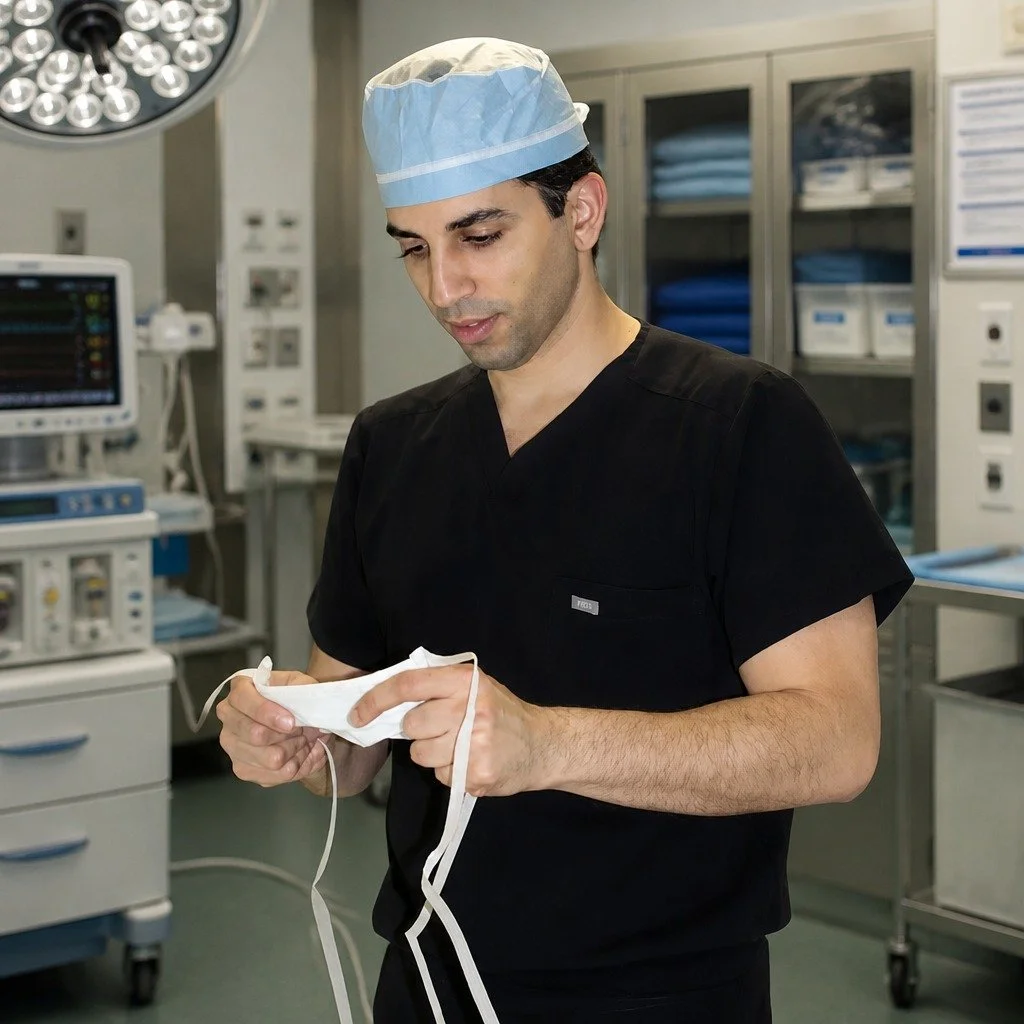
Dr. Emil Kohan, founder of Rodeo Aesthetics and a leading plastic surgeon in Beverly Hills, California, who has worked extensively with post-bariatric clients, notes, “Most patients benefit from staging their procedures rather than trying to accomplish everything at once. While everyone hopes for a single surgery, safety — including the mental health of patients — comes first. Staging procedures allow for safer operations, smoother recoveries, and often better long-term results.” (E. Kohan, personal communication, July 2, 2026)
Understanding that skin removal surgery is a journey – not a single operation – reinforces the value of a care team that includes both surgical and psychological expertise. If the physical transformation of skin removal surgery itself is meant to unfold in stages, so, too, is the psychological adjustment that must accompany it. A staged surgical timeline gives clients something a single, marathon operation cannot – room for their sense of self to catch up with a body that has changed faster than the internal image they hold in their mind.
Clients often prepare for surgery the way they prepared for weight loss: physically – and only physically. They research surgeons, read recovery timelines, and plan for the physical pain of each procedure — and all these considerations matter. Equally important, though, is understanding the psychological toll of a process that can stretch across months or years: multiple surgeries, staged recoveries, and long stretches of living in a body that is neither the one they had nor the one they're working toward.

As clients cope with these dramatic physical changes, they must also tolerate ambiguity, delay, and setbacks in how they see and relate to their bodies — often while managing pain, swelling, scarring, and the fatigue of repeated recoveries. Dr. Kohan notes that the emotional transformation a client undergoes can be just as significant as the physical one: “Many patients expect to feel instantly 'finished,' but body image often continues to evolve after surgery. It can take time for the mind to catch up with the body. For many, the procedure represents the next chapter of an incredible journey, rather than the end of it.” (E. Kohan, personal communication, July 2, 2026)
Managing a client’s expectations is central to that work, and clients who have lost a significant amount of weight also require specialized surgical skill and post-operative care. Dr. Kohan is direct about the limits: “The goal is improvement, not perfection.” He adds, “We can remove excess skin, tighten tissues, and dramatically improve body contour, but no surgeon can restore the skin to what it was before significant weight gain.” (E. Kohan, personal communication, July 2, 2026)

The Reveal Can Trigger Both Grief & Relief
Clients and their loved ones often expect the unveiling of a new body to feel purely celebratory – and for some, it may be. More often, however, clients feel vulnerable and disoriented in the weeks and months that follow, and often find it difficult to articulate this to others. The old body, however painful, felt familiar. The new body reflects uncharted territory that they don’t immediately feel connected to, and this can feel isolating.

Even as a licensed psychotherapist with expertise in this work, I found myself a bit taken aback as I looked at a photo of the skin that had been removed from my abdomen. My best friend had just come into the room to check on me and I shared how surreal it felt to see what was once a part of my body now lying on a surgical tray. She curled up next to me and said, "You don't need that anymore. It's safe to let go of it now."
Following skin removal surgery, relationships with family and friends may shift during this stretch – often in ways clients don't see coming. Family members who cheered on every pound lost can sometimes struggle to know how to respond to a body that's still healing, still swollen, still finding its footing. They may have the best of intentions and still struggle to find the words to communicate the feelings with which they may be quietly struggling.
For some, the person who has lost weight becomes a mirror, reflecting a goal they have long struggled to reach themselves. Others experience a quiet sense of betrayal, as one member's transformation disrupts the homeostasis that had held the family system together. Clients frequently describe loved ones who begin to challenge their decisions, adopt a tone of superiority, or question their values in ways they never saw coming. Most of these relationships find their footing again with time. The love that predates the change is usually greater than the discomfort of adjusting to it.
There is one point I most want clients and their families to hear: the emotional transformation your loved one undergoes is not a side effect of the physical transformation. It can take just as long, and it requires a degree of self-compassion that rarely comes naturally to someone who has spent years at war with their body. There will be hard days — days of feeling broken, of questioning whether the decision was the right one. Those days are part of the process, and they pass.

Scars are the Tradeoff – But They are Usually Worth it
Dr. Kohan speaks directly to the tradeoff between living a life trapped in a body with excess skin and one with scars. “Scars mature over 12 to 18 months and, while they never fully disappear, most patients say they’d choose the scars over the excess skin every time. For many, they feel the scars are a small price to pay when surgery gives them their life back.” (E. Kohan, personal communication, July 2, 2026)
This tradeoff almost always favors surgery – and for reasons beyond the visible result. A scar is static and fades into a known, private mark of which clients control the story. Excess skin, by contrast, serves as a daily reminder of the body clients are trying to leave behind. Most clients report that even a permanent scar feels like less of an intrusion on identity than the skin it replaced.
For most clients, this tradeoff is an easy decision to make as they've lived on both sides of it. Clients who once avoided mirrors, intimacy, or activities with friends because of excess hanging skin often describe the scar as the first part of their body they no longer have to think about or find creative ways to accommodate. It’s not that the scar is invisible — it's that it finally stops being the loudest thing in their mind. Given a choice between a mark they control and skin that once controlled them, nearly every client says the same thing: they'd make that same trade again.
Surgery Builds the Foundation, Clients Carry It Forward
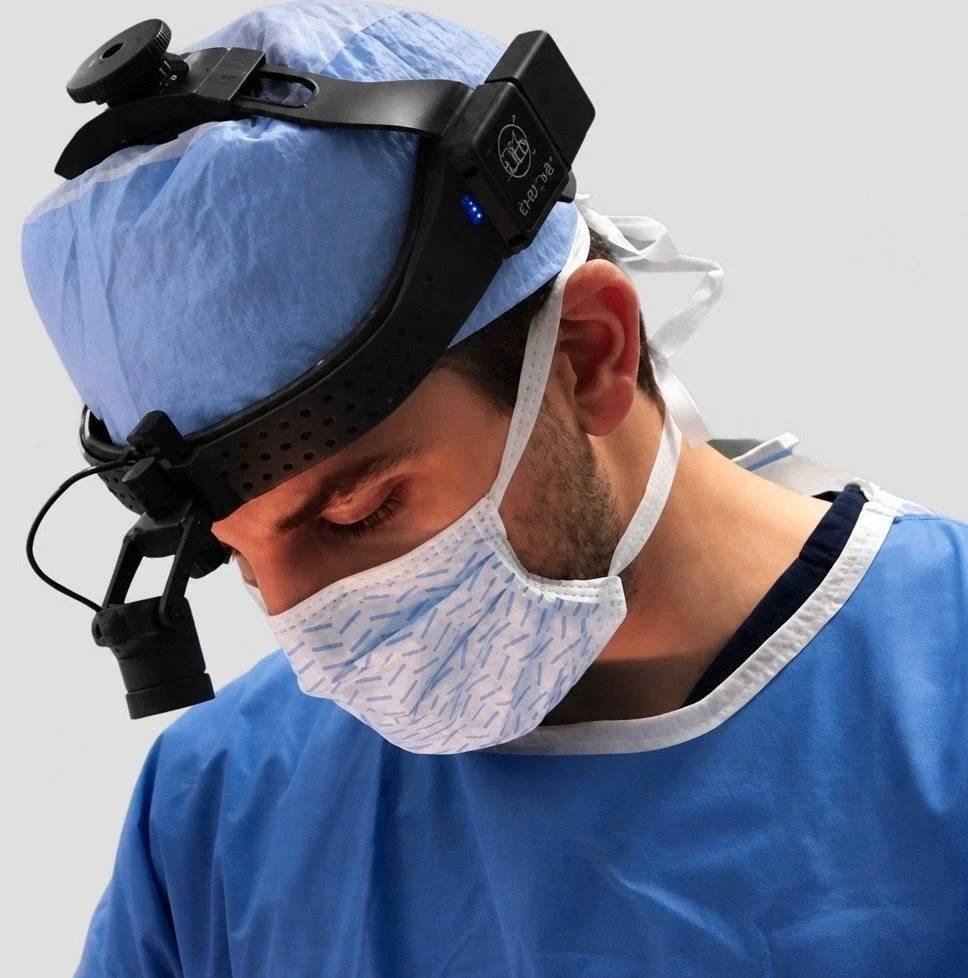
Excess skin removal surgery is frequently framed as the endpoint of a client's bariatric journey. More accurately, however, it's a new transition — one that deserves the same psychological preparation as the decision to pursue weight loss surgery in the first place. Dr. Kohan notes, "The best skin removal surgery doesn't create a perfect body — it creates a body that finally reflects the hard work, discipline, and resilience that got the client there." (E. Kohan, personal communication, July 2, 2026)
If you're a client preparing for excess skin removal surgery, or a clinician supporting such a client, know that it’s normal to experience a range of feelings that, at times, seem to conflict — grief alongside relief, impatience alongside pride — and these aren't signs that something has gone wrong or that you've made the wrong choice. They're a normal, expected part of rebuilding your relationship with a body that has changed, sometimes more than once, over the span of just a few years. With the right mental health support alongside a strong surgical plan, clients don't just look different – along the way, they find themselves again.
About the Authors
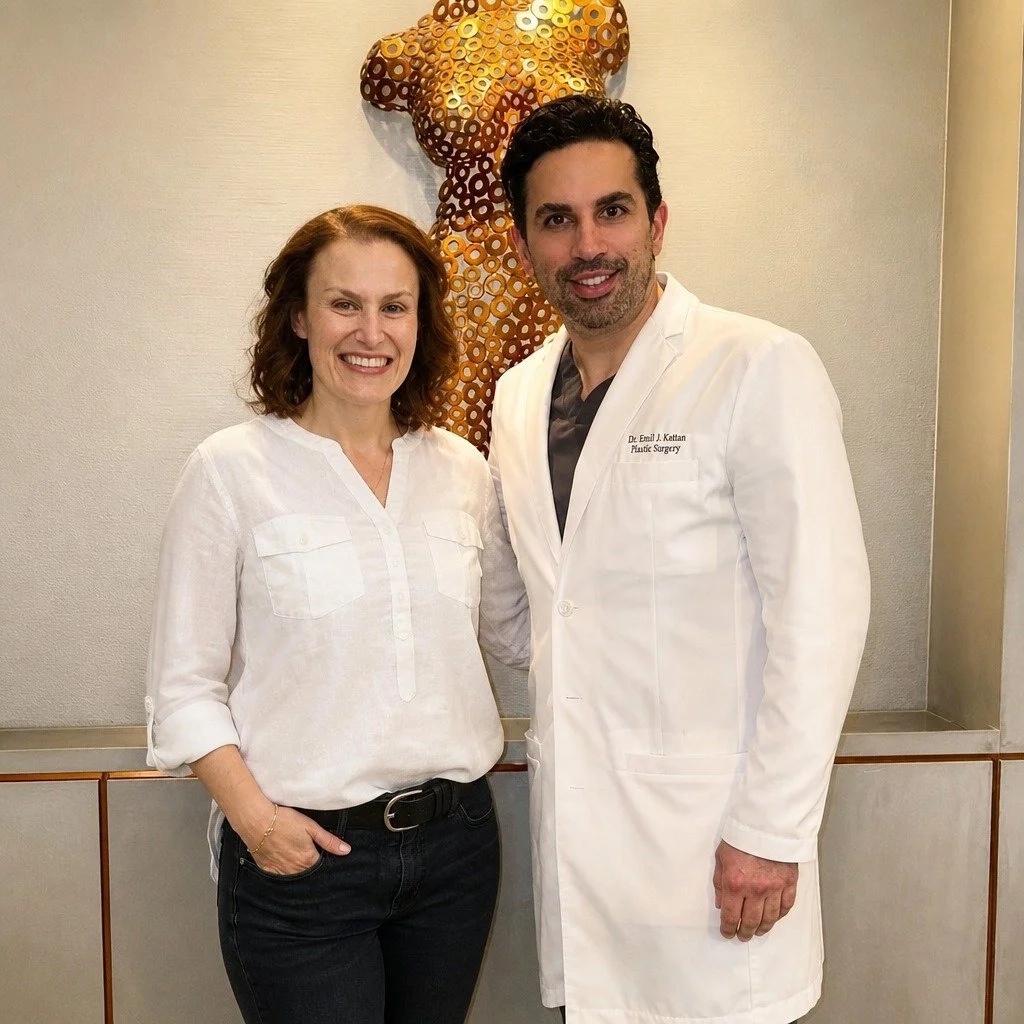
Bren M. Chasse, LMFT has spent her career helping people process and make meaning of the hardest chapters of their lives — from complex trauma to the fallout of high-conflict family dynamics. Licensed in six states (CA, NJ, NV, NY, TX, and WA), she is an EMDRIA-Approved Consultant with a strong background in Structural Family Systems and Internal Family Systems. Her areas of expertise include trauma, high-conflict family dynamics, binge eating disorder, and bariatric weight loss surgery. Bren believes healing happens in the context of a safe, trusting relationship, and she meets every client with warmth, curiosity, and genuine care.
Emil Kohan, MD is an esteemed plastic surgeon renowned for his exceptional skills, compassionate care, and dedication to his patients' well-being. With a background rooted in academic excellence and a wealth of experience in cosmetic and reconstructive surgery, Dr. Kohan is committed to helping individuals achieve their desired transformations and enhance their natural beauty.
References
Brühlmann, J., Lese, I., Grobbelaar, A. O., Fischlin, C., Constantinescu, M., & Olariu, R. (2022). Post-bariatric contour deformity correction: An endeavour to establish objective criteria nationally. Swiss Medical Weekly, 152, Article w30131. https://doi.org/10.4414/SMW.2022.w30131
de Lourdes, M., Cerqueira, L., Pinto-Bastos, A., Marôco, J., Palmeira, L., Brandão, I., Vaz, A. R., & Conceição, E. (2021). Understanding uncontrolled eating after bariatric surgery: The role of excessive skin and body image shame. Journal of Clinical Medicine, 10(13), Article 2967. https://doi.org/10.3390/jcm10132967
Disclaimer: This article is intended for educational and informational purposes only and does not constitute medical, surgical, or psychological advice. It is not a substitute for individualized evaluation and care from a licensed physician, surgeon, or mental health professional. Reading this article does not establish a therapist-client relationship. If you are considering excess skin removal surgery, or are struggling with body image, disordered eating, or related concerns, please consult a qualified healthcare provider about your specific situation.