Beyond the Playground: Trauma-Informed Care for Bullying & Cyberbullying
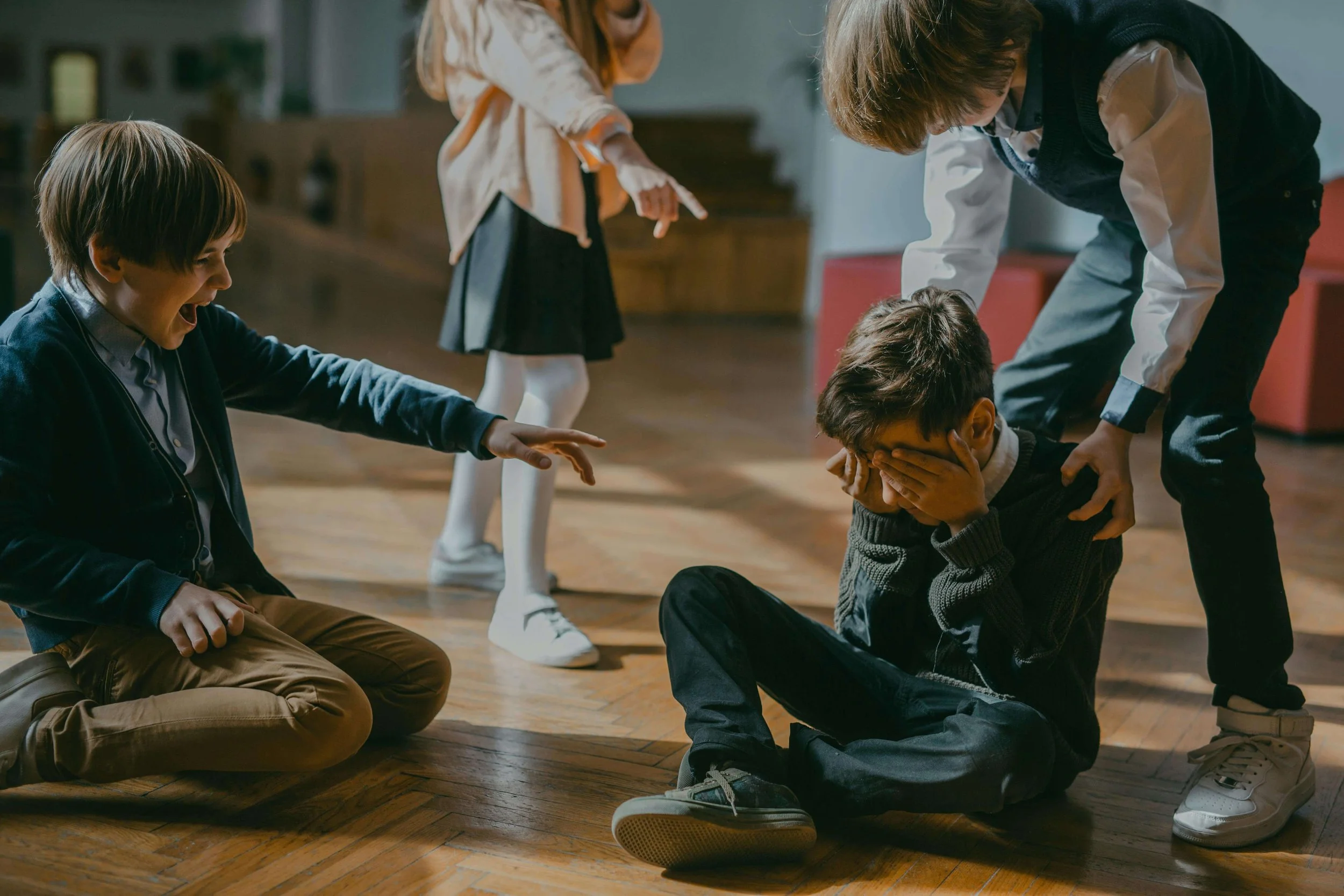
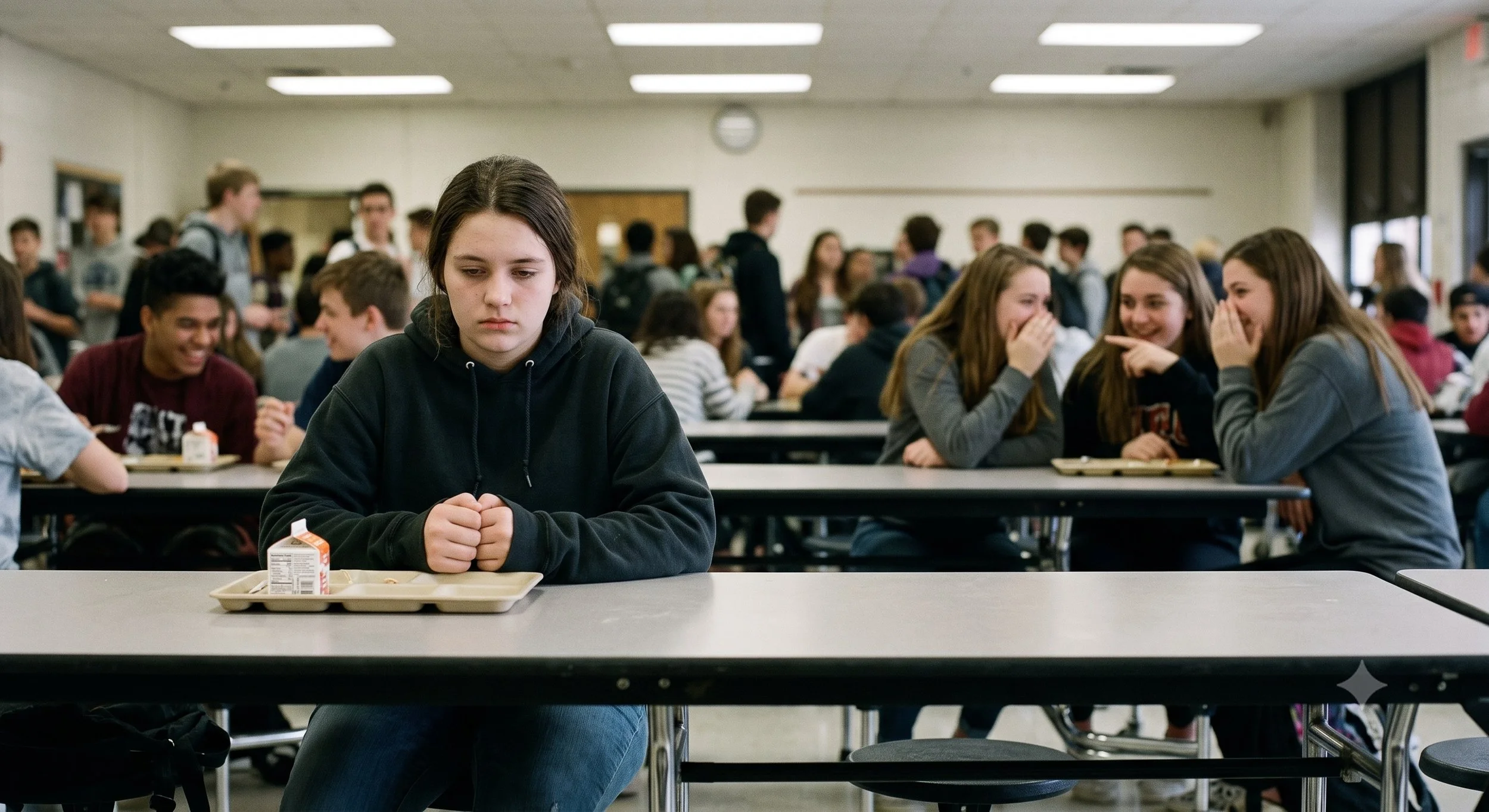
Not that long ago, a student could easily identify if they were being bullied by a peer, and it was predominantly contained within the school grounds. Now, however, bullies can hide behind the anonymity of a computer or device screen; they can come into our homes anonymously and have expanded their reach across the globe. While some may view bullying in schools as an old-school rite of passage, this form of victimization is, in fact, a pervasive social and psychological threat that undermines a student’s sense of connection and safety, and impairs their capacity to learn. Whether it takes the form of direct aggression, peer exclusion, or the increasingly common cyber-bullying, students who experience bullying often carry scars that can last a lifetime. For mental health professionals, peer victimization and school-based violence present urgent clinical concerns, as students may come to therapy with not only behavioral symptoms, anxiety, or depression, but also with trauma responses triggered by repeated exposure to peer aggression. Recognizing this, we must move beyond a simple disciplinary model to comprehensive, trauma-informed care that implements preventative measures in schools, equips parents with skills and resources to support their child, and addresses the emotional, developmental, and relational effects on children and youth.
Why Bullying Matters
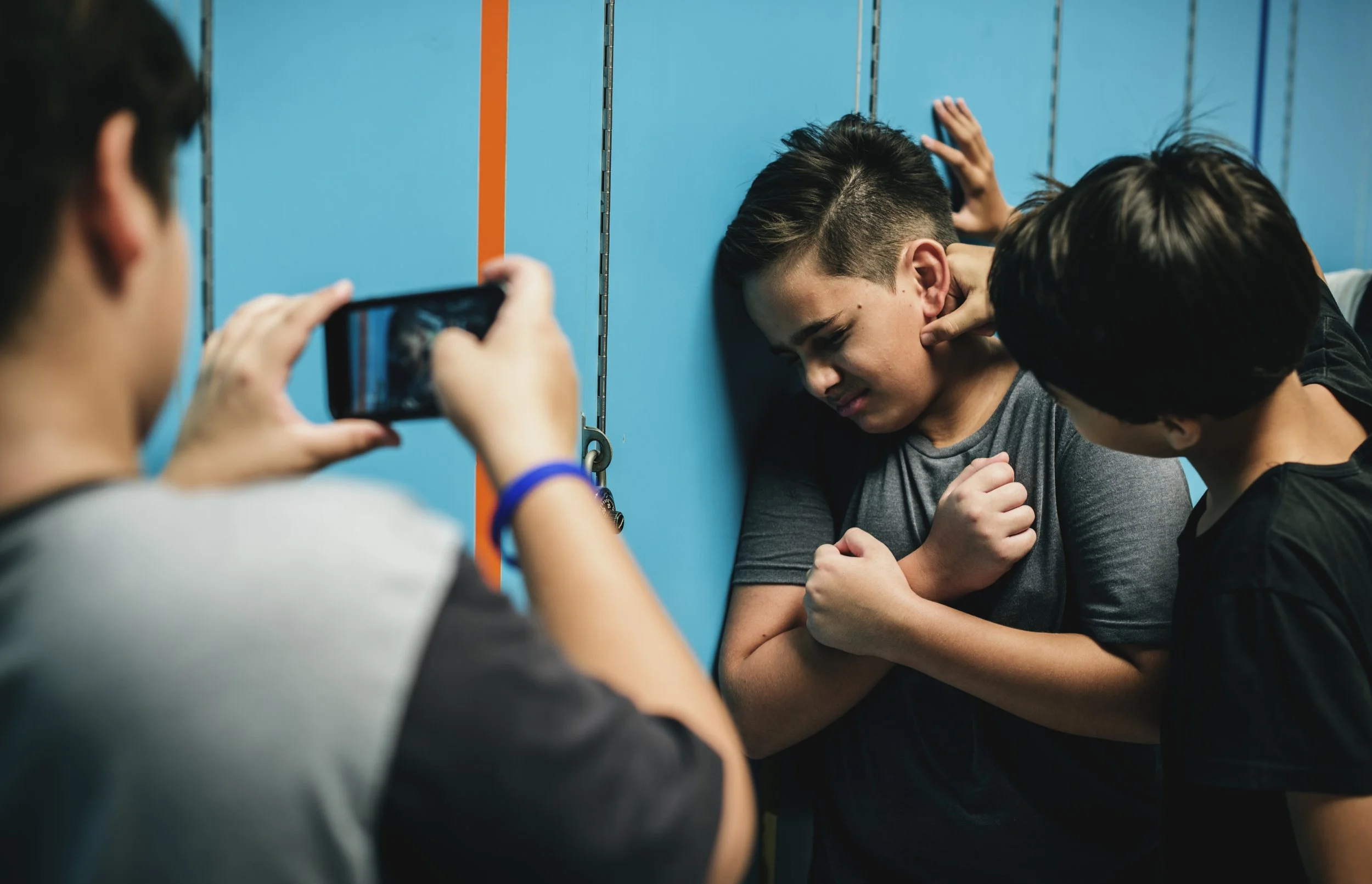
In today’s digital world, bullying no longer stops at the edge of schoolyard; it often follows students home through social media, messaging apps, and online games. Cyberbullying can take the form of mean or threatening messages, exclusion from online groups, spreading harmful rumors, or disturbing and embarrassing images or videos. With the rapidly changing landscape of artificial intelligence and “deep fakes,” the vulnerability of children and youth is often further exploited with easily manipulated content that spreads rapidly and is virtually impossible to remove, resulting in lasting psychological and emotional consequences extending far beyond the initial incident. Bullying can occur 24/7, often leaving children and adolescents feeling trapped by continual bullying that impairs their ability to feel safe, even in the privacy of their own homes. Unlike traditional bullying, cyberbullying can feel unrelenting and, at times unstoppable. Without the ability to identify the perpetrator, the inability to feel safe now extends into every space, intensifying feelings of helplessness, anxiety, and isolation (Juvonen & Gross, 2008).
Parental Support for Victims of Cyberbullying
Parents often serve as the first line of support when their child faces cyberbullying, playing a crucial role in guiding them to respond to online aggression safely. A good starting point for parents is to encourage open, calm, and honest conversations about their child’s online experiences, discussing who they interact with and how those interactions affect them, without judgment or immediate punishment (Elsaesser et al., 2017; Grunin et al., 2021). Parents should balance supervision with trust, giving their child guidance on safe online behaviors, while reinforcing that their child can come to them without fear of overreaction or blame. Just as with in-person bullying, trauma-informed support is essential in cyberbullying. It’s important for parents to validate their child’s feelings, provide coping strategies for emotional distress, and collaborate with schools and therapists to reduce cyberbullying’s long-term impact and help their child feel empowered again (Elsaesser et al., 2017; Grunin et al., 2021). Trauma-informed therapy can further support their child by helping them process their experiences, build resilience, and develop healthy coping skills for both in-person and online interactions.
Impact of Bullying on Student Well-Being
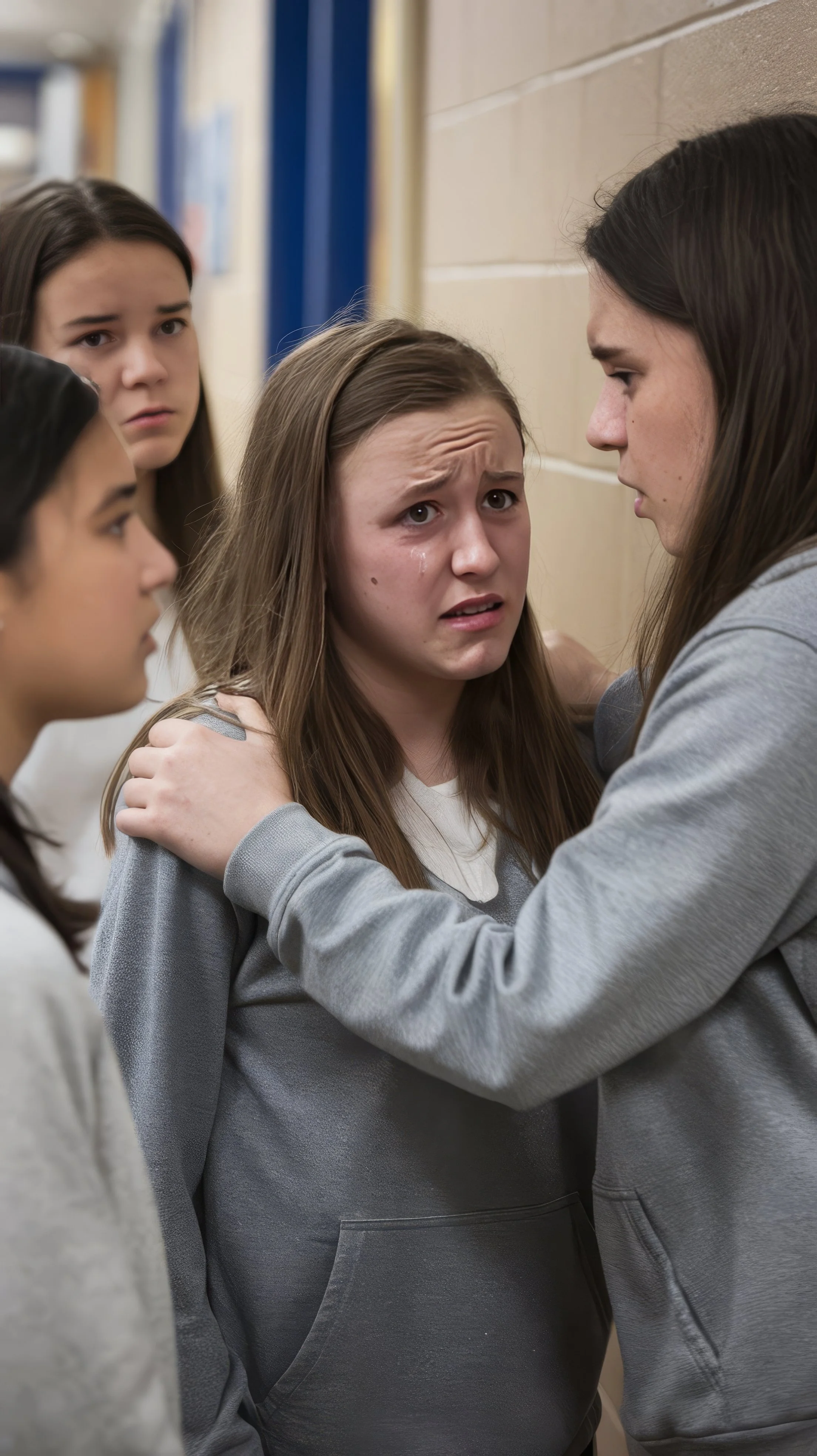
Two of the more influential researchers in the study of peer victimization are Sandra Graham, Ph.D. and Jaana Juvonen, Ph.D., both professors at the University of California, Los Angeles (UCLA). The UCLA Peer Relations Project is among the largest and most highly regarded longitudinal studies of middle and high school students. Data collection began in 1985 and followed more than 10,000 students from 6th through 12th grade. Their work has transformed the way in which mental health providers and schools approach bullying from a preventative, evidence-based, and proactive perspective. Research shows victims of bullying consistently demonstrate lower academic engagement and lower grades. For instance, this research has shown that as bullying increases, there is a corresponding and significant drop in grade point average (GPA) within core subjects (Juvonen & Graham, 2014).
Their research has identified three distinct categories of students involved in bullying: victims, bullies, and bully-victims. This last group, the bully-victims, are those who both experience bullying and engage in bullying behavior toward their peers. The bully-victims consistently exhibit the most negative outcomes, including heightened psychological distress, more frequent conduct problems, and greater overall social and emotional challenges (Juvonen & Graham, 2014). Additionally, their research has shown that school context and peer norms play a critical role in bullying dynamics. Students who witness bullying, or who exist in environments that tolerate or even admire bullying behavior, face a significantly higher risk of victimization.
Children do not live within a vacuum. The patterns identified through decades of peer relations research—including findings on peer victimization, social dynamics, and school climate—have significant implications for clinical practice. When working with children or adolescent clients, it is essential to assess any history of peer victimization, examine peer-related risk factors, and consider the overall school culture. Understanding these interconnected factors allows clinicians to develop more targeted and effective interventions that address not only individual symptoms but also the relational and contextual influences shaping their clients' development.
Understanding Bullying as Relational Trauma
Two of the more influential researchers in the study of peer victimization are Sandra Graham, Ph.D. and Jaana Juvonen, Ph.D., both professors at the University of California, Los Angeles (UCLA). The UCLA Peer Relations Project is among the largest and most highly regarded longitudinal studies of middle and high school students. Data collection began in 1985 and followed more than 10,000 students from 6th through 12th grade. Their work has transformed the way in which mental health providers and schools approach bullying from a preventative, evidence-based, and proactive perspective. Research shows victims of bullying consistently demonstrate lower academic engagement and lower grades. For instance, this research has shown that as bullying increases, there is a corresponding and significant drop in grade point average (GPA) within core subjects (Juvonen & Graham, 2014).
Their research has identified three distinct categories of students involved in bullying: victims, bullies, and bully-victims. This last group, the bully-victims, are those who both experience bullying and engage in bullying behavior toward their peers. The bully-victims consistently exhibit the most negative outcomes, including heightened psychological distress, more frequent conduct problems, and greater overall social and emotional challenges (Juvonen & Graham, 2014). Additionally, their research has shown that school context and peer norms play a critical role in bullying dynamics. Students who witness bullying, or who exist in environments that tolerate or even admire bullying behavior, face a significantly higher risk of victimization.
Children do not live within a vacuum. The patterns identified through decades of peer relations research—including findings on peer victimization, social dynamics, and school climate—have significant implications for clinical practice. When working with children or adolescent clients, it is essential to assess any history of peer victimization, examine peer-related risk factors, and consider the overall school culture. Understanding these interconnected factors allows clinicians to develop more targeted and effective interventions that address not only individual symptoms but also the relational and contextual influences shaping their clients' development.

Understanding Bullying as Relational Trauma
Bullying is not a “phase” or a childhood “rite of passage.” It constitutes relational trauma with measurable impacts on academic achievement, mental health, and the long-term well-being of young people. Research clearly shows that peer victimization has significant psychological, social, and academic effects on students who experience it. What remains is for schools, clinicians, and entire systems to respond through trauma-informed frameworks - ensuring that every child who experiences bullying receives not superficial assistance or punitive measures, but compassionate, relational, and healing-centered care. The call to action is clear: it is time to bridge the gap between research and practice, between the schoolyard and the therapy room, and build environments where every student can feel seen, supported, and safe.
For the child who dreads Monday morning because of the cruelty they face. For the adolescent whose grades are slipping because their sense of safety has been shattered. For every young person carrying the invisible wounds of peer victimization: this commitment to trauma-informed, relational care is not optional. It is essential. It is overdue. And it is achievable.
References
Boske, C., & Osanloo, A. (2015). Students, teachers, and leaders addressing bullying in schools. Brill.
Elsaesser, C., Russell, B., Ohannessian, C. M., & Patton, D. (2017). Parenting in a digital age: A review of parents' role in preventing adolescent cyberbullying. Aggression and Violent Behavior, 35, 62-72.
Grunin, L., Yu, G., & Cohen, S. S. (2021). The relationship between youth cyberbullying behaviors and their perceptions of parental emotional support. International Journal of Bullying Prevention, 3(3), 227-239.
Juvonen, J., & Graham, S. (2014). Bullying in schools: The power of bullies and the plight of victims. Annual review of psychology, 65, 159-185.
Juvonen, J., Graham, S., Kaplan, S. L., & Ibikunle, J. O. (2002). Peer harassment in school: The plight of the vulnerable and victimized child. Journal of the American Academy of Child & Adolescent Psychiatry, 41(11), 1385–1386.
Juvonen, J., & Gross, E. F. (2008). Extending the school grounds? - Bullying experiences in cyberspace. Journal of School Health, 78(9), 496-505.
Ossa, F. C., Pietrowsky, R., Bering, R., & Kaess, M. (2019). Symptoms of posttraumatic stress disorder among targets of school bullying. Child and Adolescent Psychiatry and Mental Health, 13(1), 1–11. https://doi.org/10.1186/s13034-019-0304-1